
Reflections on Azim Premji University's Local Democracy Course| Ranchi 2026
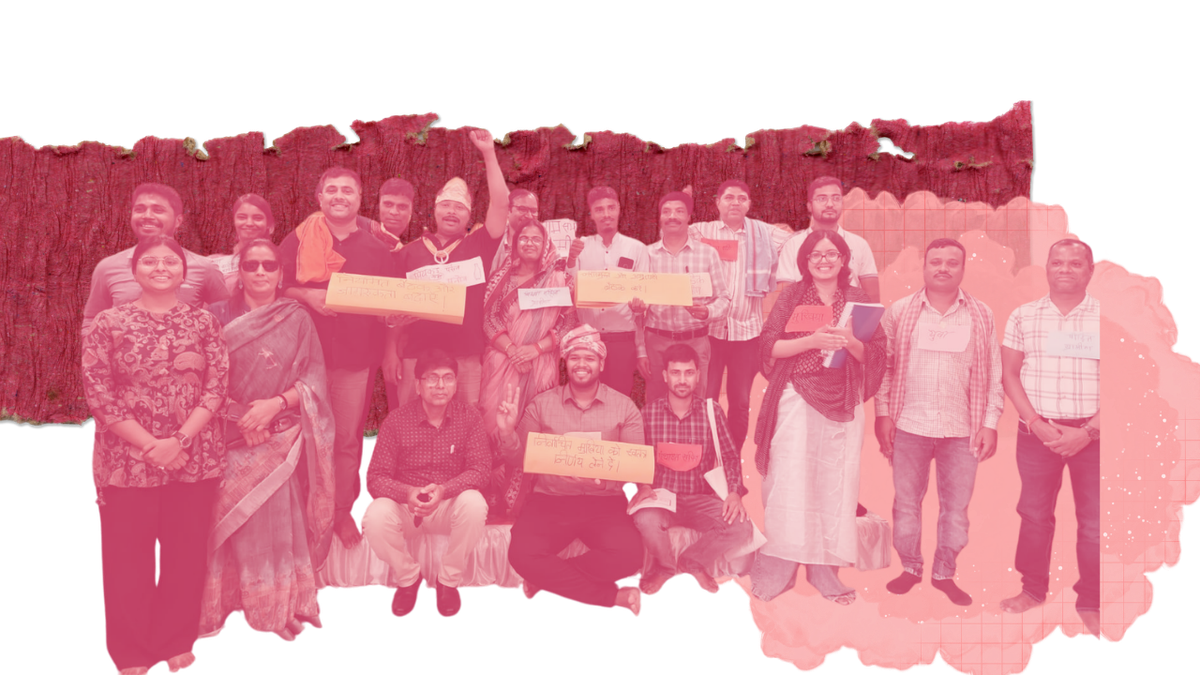
22 May, 2026 | We went to Ranchi expecting a training session. What we came back with was something closer to a reckoning about the gap between what the Constitution promises and what actually reaches a village Gram Sabha.
At APNA, a fair share of our work touches rural communities across Ranchi’s welfare delivery, and organising women's collectives. For years, we have been learning on the ground, often without a strong theoretical frame to make sense of what we were seeing. Why do welfare entitlements that exist on paper not reach the families who need them? We wanted answers, or at least better questions.
The course Local Democracy and Welfare Entitlements: Theory, Policy, and Practice seemed designed exactly for organisations like ours. It was a 10 day residential course held from 12th May to 21st May 2026.
What the ten days looked like
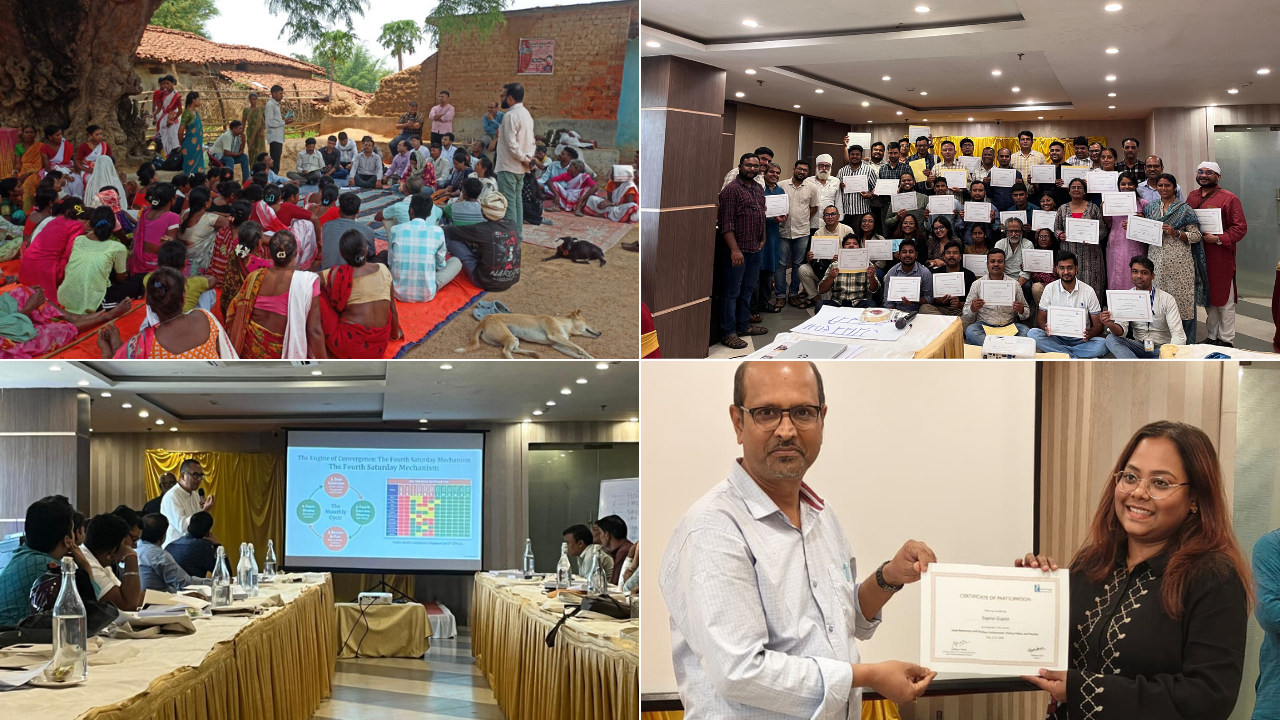
The course ran across ten days and covered seven distinct themes, from conceptual foundations all the way to field realities and a session specifically for CSOs to chart their own way forward. The themes moved through the evolution and structure of Panchayati Raj, panchayat planning, democratic governance in forest and 5th Schedule areas, rights and welfare policy, civil society engagements, and finally a block of examples and innovations before the field visits and reflection days.
The field visit
One of the most valuable parts of the programme was the field visit, we were divided into two teams each, visiting Lapung and Namkum panchayat Dandi and Lali respectively. Sitting in a classroom and reading about Gram Sabhas is one thing, seeing how they actually function or fail in practice is another. The visit gave us a chance to observe specific examples of participatory planning and also to witness the structural hurdles that make meaningful local democracy so difficult to sustain.
The course framing put it plainly: local democracy, as the Constitution envisions it, only becomes real when the three Fs — Funds, Functions, and Functionaries — are genuinely devolved to Gram Panchayats. Without all three, elected local bodies remain dependent on higher tiers of government rather than responsive to the communities they serve. This sat with us throughout. So much of what we see in our own work around Ranchi and the surrounding districts reflects exactly these panchayats so much so that communities have stopped expecting the system to work for them.
What we are taking back
The course did not offer easy fixes, and we are grateful for that. What it gave us instead was a sharper framework. We now understand better how Gram Panchayats are supposed to function under PESA in scheduled areas, what good participatory planning looks like when it actually happens, and how SHG collectives and civil society organisations can create real change when they work alongside local governments rather than around them.
The last two days the CSO reflection session and the way-forward session were perhaps the most practically useful. We sat with other organisations, compared our struggles, and began drafting what meaningful engagement with local democracy could look like for APNA.
Author | Nidhi Suman