From Bastis to Classrooms: Inside APNA’s RTE Campaign
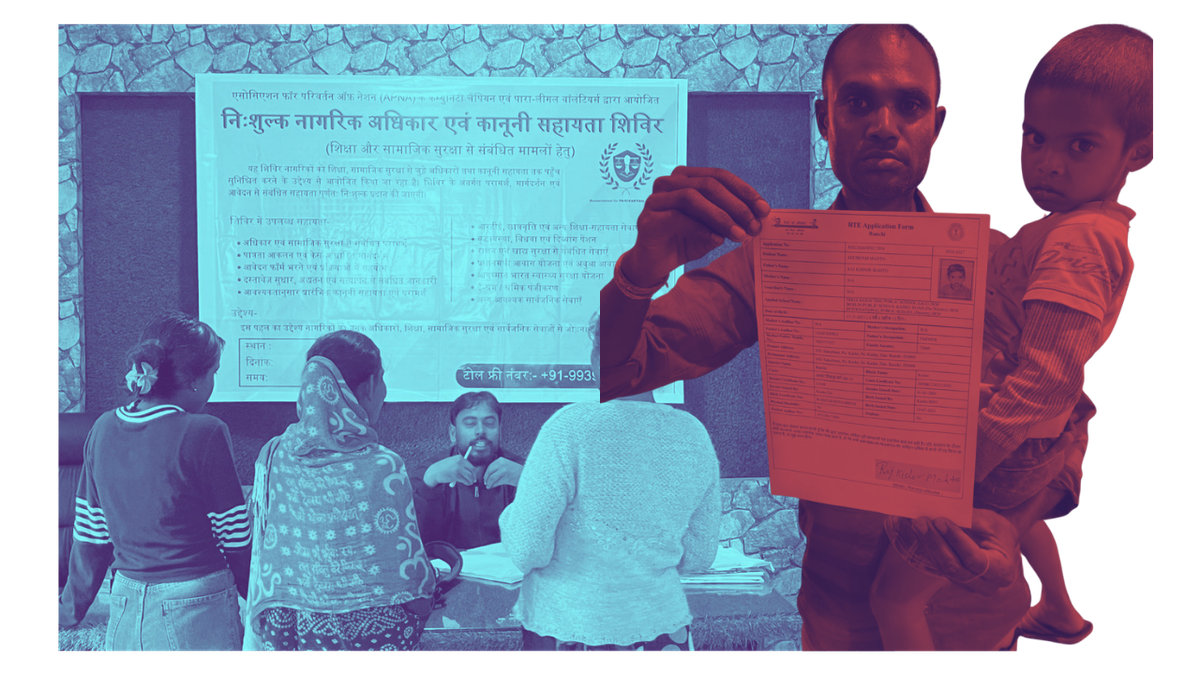
23rd March, Ranchi | The Right to Education Act, 2009, through Section 12(1)(c), recognised education as a right that must be accessible to all children, including those from economically weaker sections and disadvantaged communities.
Every year, as the admission portal opens for applications under the RTE quota, our team at APNA is ready to work with families living in the bastis to help them understand the process, gather the required documentation, fill out application forms, and navigate the often complex admission procedures. With one goal in mind: ensuring that children from marginalised communities are able to access inclusive, equitable, and quality education, we start our yearly campaign.
For many families, the application process can feel overwhelming. Limited digital literacy, lack of access to required documents, confusion around eligibility criteria, and misinformation often prevent parents from applying, even when their children are eligible. Through our campaign, APNA works to bridge this gap by providing hands-on support at every stage of the process and ensuring that families do not have to navigate the system alone.
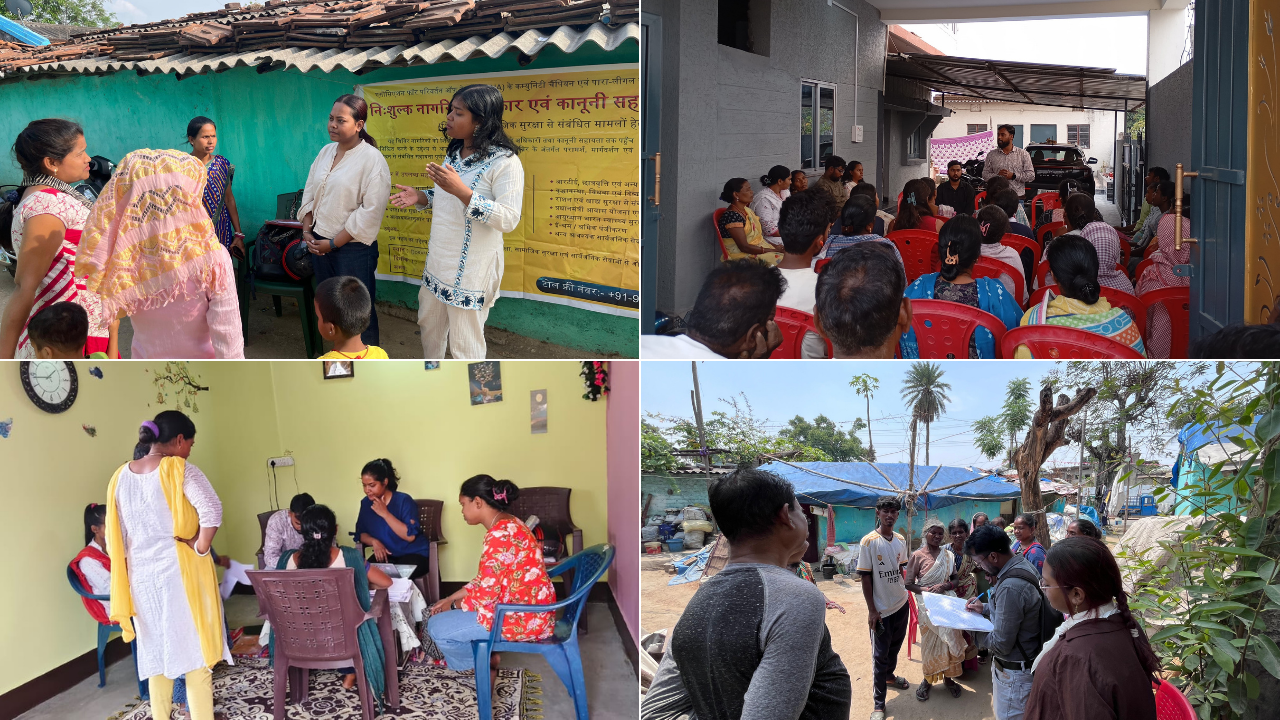
In January, our field team at APNA kicked off our RTE campaign through awareness camps, workshops and community meetings in Doranda, Nagri, and Jagannathpur in Ranchi. Through our three month campaign, we engaged with over 300+ families, parents, children, and everyone seeking information about the right to education. Over 14 awareness camps, we created a space for parents to ask questions, understand eligibility criteria, and learn about the documents and timelines required for the application process. Many parents were hearing about Section 12(1)(c) and the RTE admission process for the very first time.
Alongside the camps, APNA also organised smaller workshops and focused support sessions within the bastis, and in our office, where families received hands-on assistance with documentation, online registration, and application submissions. Our team, along with the Green PLVs, helped parents verify documents, resolve technical issues on the portal, and understand school preferences and admission procedures. In several cases, repeated follow-ups and multiple visits were required to ensure that families were able to complete their applications successfully. Over long days in the field and slightly longer nights at the office, APNA’s team was able to fill 80 applications and provide guidance to more than 100+ families through our helpline number.
Beyond the application process, our campaign also became a space for conversations around the importance of education, especially for first-generation learners. Parents shared their aspirations for their children, concerns around affordability and access, and the challenges they face in continuing their children’s education amidst unstable livelihoods and difficult living conditions. These conversations continue to shape the way APNA approaches education access within the bastis.
The campaign, however, is far from over. As we await the outcome of these applications, we will continue to follow up with the authorities, write letters to officials where necessary, and file petitions in cases where children have been wrongfully denied admission. One child at a time, APNA remains committed to ensuring that children from our bastis are able to access their right to education.