APNA Field Dispatch | March 2026 Filling forms, finding voices
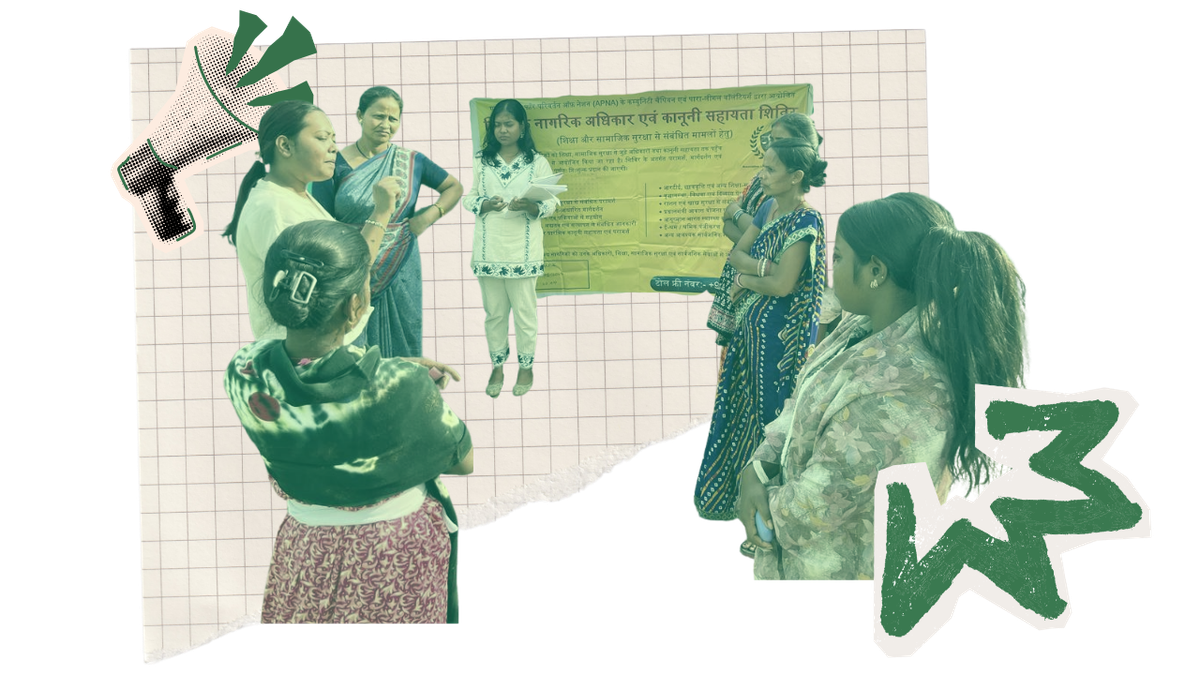
March was a quieter month on paper. Fewer camps, smaller numbers. But it is the month when the RTE application window opens. And when it does, the work doesn't slow but shifts. The field camps become fewer because the office fills up. Parents who had heard about APNA at a camp in February started showing up at the door. The helpline started ringing. Long days in the field gave way to slightly longer nights at the office, with the team sitting beside families, one form at a time.
By the end of the month, APNA had run 14 awareness camps, reached over 300 families, filed 80 RTE applications, and guided more than 100 families through the process over the helpline. For many of these parents, it was the first time they had heard of Section 12(1)(c) of the RTE Act — the provision that reserves 25% of seats in private schools for children from economically weaker sections. The camps created a space to ask questions, check eligibility, and understand what documents and timelines the application required. The office and the helpline did the rest.
Starting in Kanke
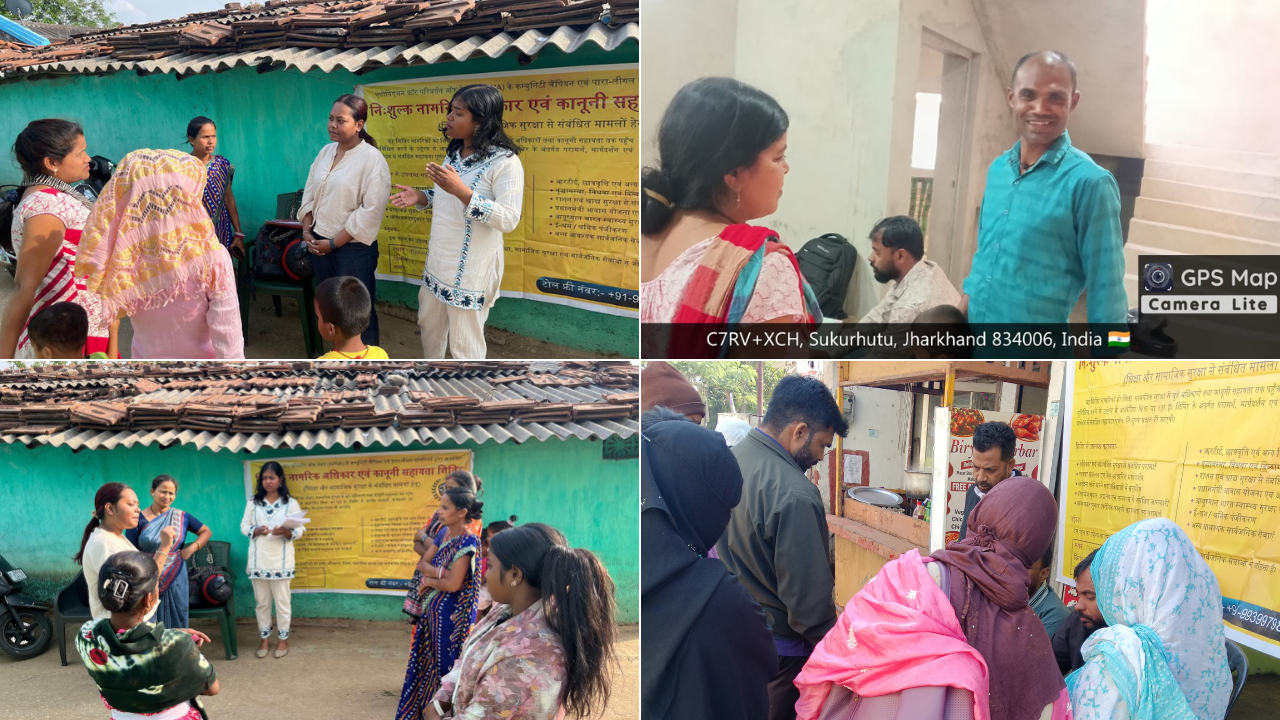
The month opened on the 6th of March in Sukurhutu, a village in Kanke block. Team APNA set up an RTE camp with the help of Abhishek our PLV, and five families had their RTE application forms filled out on the spot. Each form represents a child, a parent who showed up, and a process that can feel overwhelming until someone sits beside you and walks you through it. That's what the camp was.
Back in Doranda, with documents in hand
Three days later, on the 9th of March, the team was in Resaldar Nagar, Doranda. Four families came to the camp. Local leader Pappu Gaddi had helped bring them in. Two of the four had all their documents in order therefore right there at the camp, their forms were filled. That moment captures something true about this work: progress is often partial, and partial is still progress. Coming back for the other two families is the next step.
Returning to Mausibadi
The team had first gone to Mausibadi in February. On the 18th of March, they went back.
This time it was an awareness camp specifically on RTE detailing what the scheme is, what documents it requires, who qualifies. Rima Devi helped bring the community together, and ten people attended. One RTE form was filled. But the more telling detail was what people said when asked about income certificates: "We don't have one, but we'll try to get it." That sentence is both an obstacle and an opening. The documents are the bottleneck, not the willingness. The team now knows exactly where to push next.
Learnings
March surfaced a pattern that will likely define much of the work ahead: documents. Families want to apply. They show up to camps. They sit through the explanations. And then no income certificate. No proof of address. The forms cannot be filled without them, and getting those documents requires a separate journey through a separate bureaucracy.
This is the gap between awareness and action, and it is very real. The RTE season makes it especially visible because the window is short, the stakes feel high, and a missing income certificate can mean another year of waiting. As APNA moves into the months ahead, supporting families through that process and not just the RTE form, but the document chain behind it may be where the deepest work lies.
What the numbers from this month also quietly say is this: 80 applications filed and 100+ families guided over the helpline don't happen without the months before them. The families who showed up at the office in March came because someone met them at a camp in February. That pipeline from awareness to action is real, and it is working.
March was more than three steps. It was the harvest of everything that came before it, and the beginning of following through on what comes next.
Team APNA | Jharkhand | March 2026