APNA Field Dispatch | January 2026 What we saw, what we heard, what we carried forward
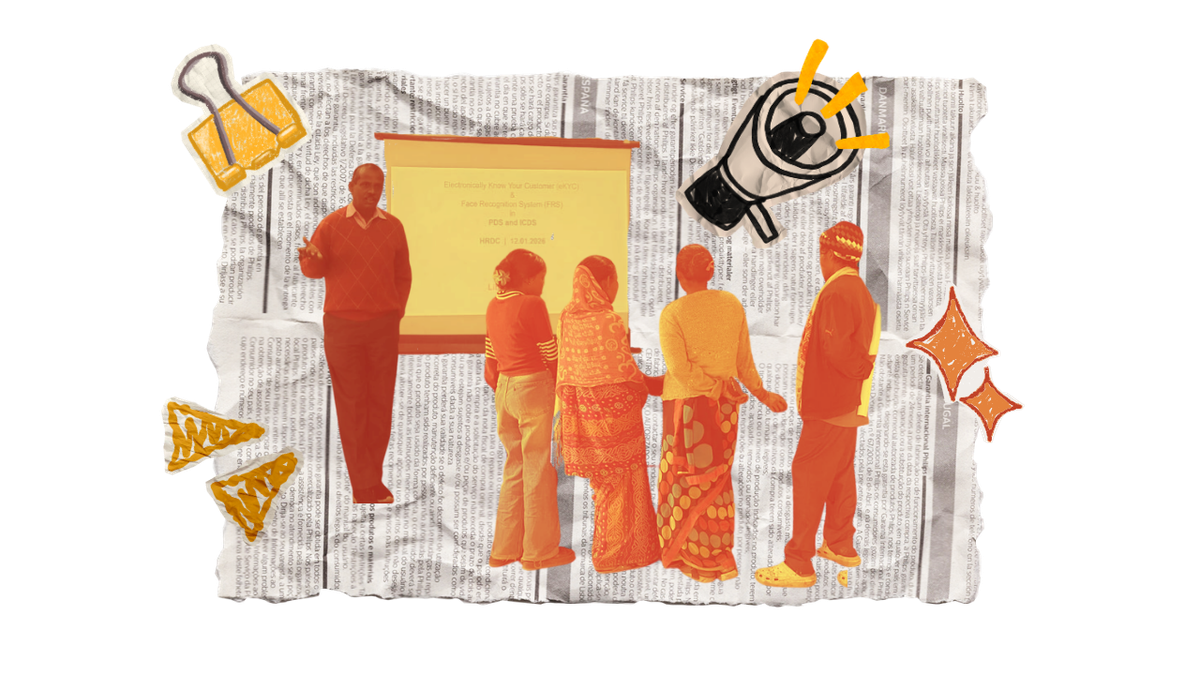
January arrived with a new year greeting and an invitation that felt both timely and weighty. LibTech India reached out to Apna Parivartan to join a one-day consultation in Ranchi, dedicated to a question that our field teams had been grappling with in doorways and ration shops across Jharkhand: what happens when Electronic Know Your Customer (eKYC) and Facial Recognition Systems (FRS) stand between a family and their monthly ration?
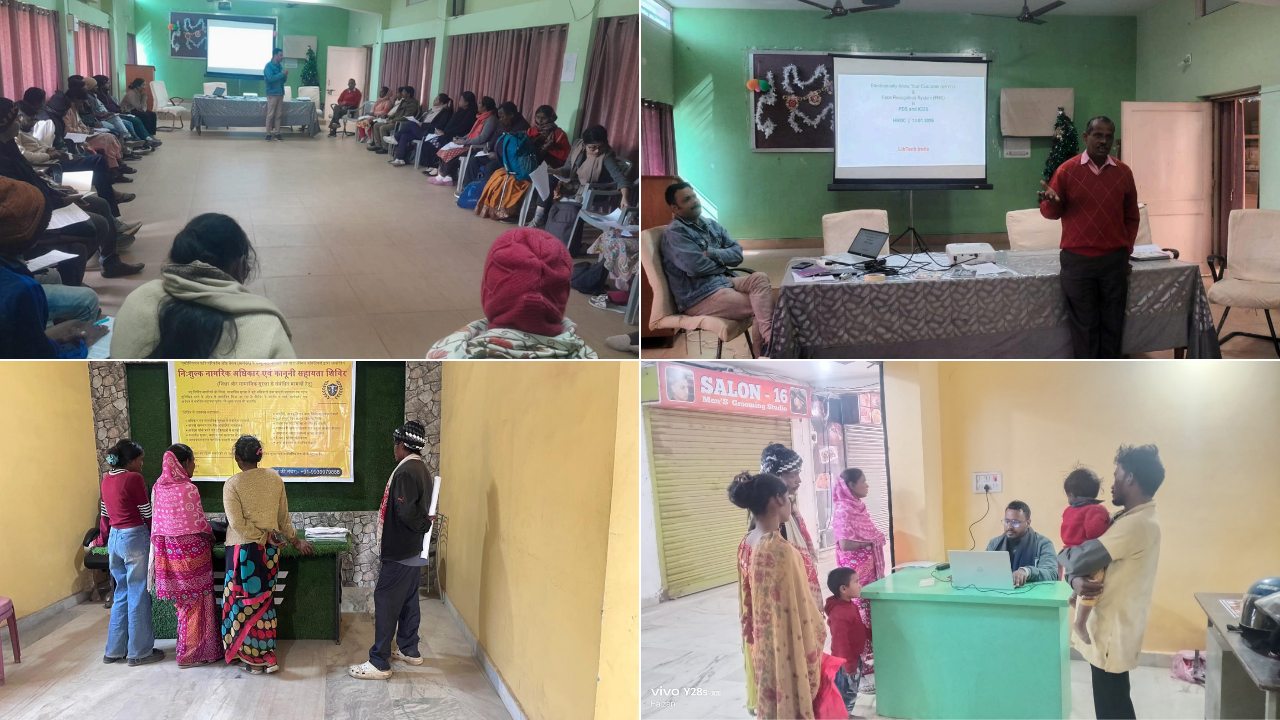
The consultation held on 12th January in Ranchi brought together civil society organisations, researchers, campaigns, and practitioners all working at the messy overlap of food security, social protection, and welfare delivery.
The room was a rare kind one where the anecdote and the policy sat across from each other and were asked to listen. The day's discussion wove through on-ground experiences, the systemic challenges frontline workers face, and the collective task of identifying where and how civil society should push for change. For our team, it was as much a space of learning as of contributing.
A week after Ranchi, the work turned outward again this time to Dipatoli, Ward 35, where our team held the first-ever Nishulk Nagrik Adhikar Avam Kanuni Sahyata Shivir a free citizens' rights and legal aid camp under the UWASI Project, in collaboration with our community champion Jhari Linda.
It was the first of what we hope will be many. Setting up that camp meant convincing people that showing up mattered, that someone would actually listen, and that questions they had long held quietly could be spoken aloud. On the first day, the room filled. People came with their doubts and their documents, their confusions and their unresolved grievances. By the time the day closed, six individuals had been identified, six people whose cases were specific enough, urgent enough, and actionable enough to carry forward into structured follow-up.
The camp was scheduled to run across two days. The second day, however, was a no-show. No attendees came. It's a familiar reality in community work: the logistics of a second day, the demands of daily life, the tentative trust that hasn't yet solidified into habit. We record it here not as a failure but as a data point: first camps are an introduction, and follow-through is what turns an introduction into a relationship.
We'll return at defined intervals to check, to update, to ensure that the camp wasn't just a single event but an open door. That is the work January handed us as we moved into February.
Learnings
January reminded the team that the most useful thing you can sometimes do is sit in a room where policy and lived experience face each other. The LibTech consultation in Ranchi put APNA at a table where eKYC and FRS failures in welfare delivery were being examined not as technical glitches but as barriers to food and dignity. The first legal aid camp in Dipatoli added another lesson: beginnings are tentative. Six people came forward with cases worth following. The second day, no one showed. Both of those things are true, and both are worth holding.
Team APNA | Jharkhand | January 2026