A Collective Call for Better Implementation of the RTE 12(1)(C)
APNA held a press conference on 23 Sept 2021 in Ranchi releasing its RTE 12(1)(c) report before 25 media and community members. The report exposed bureaucratic barriers, low awareness, and school non-compliance. APNA urged stronger monitoring, awareness, and grievance systems.
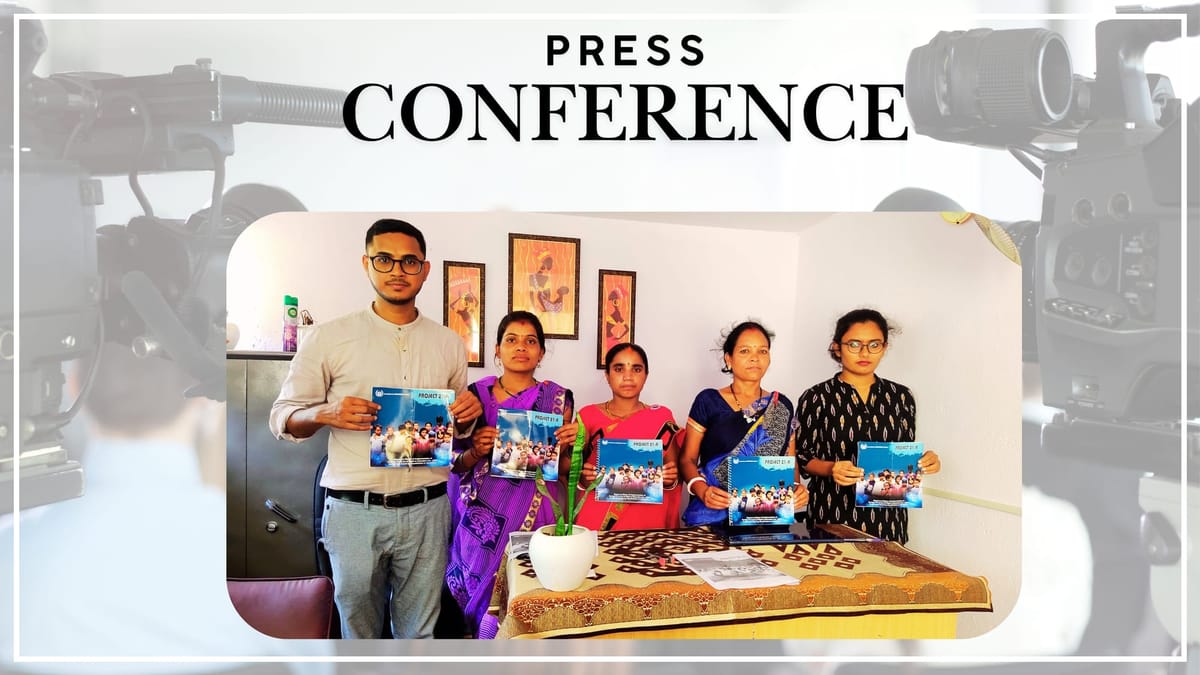
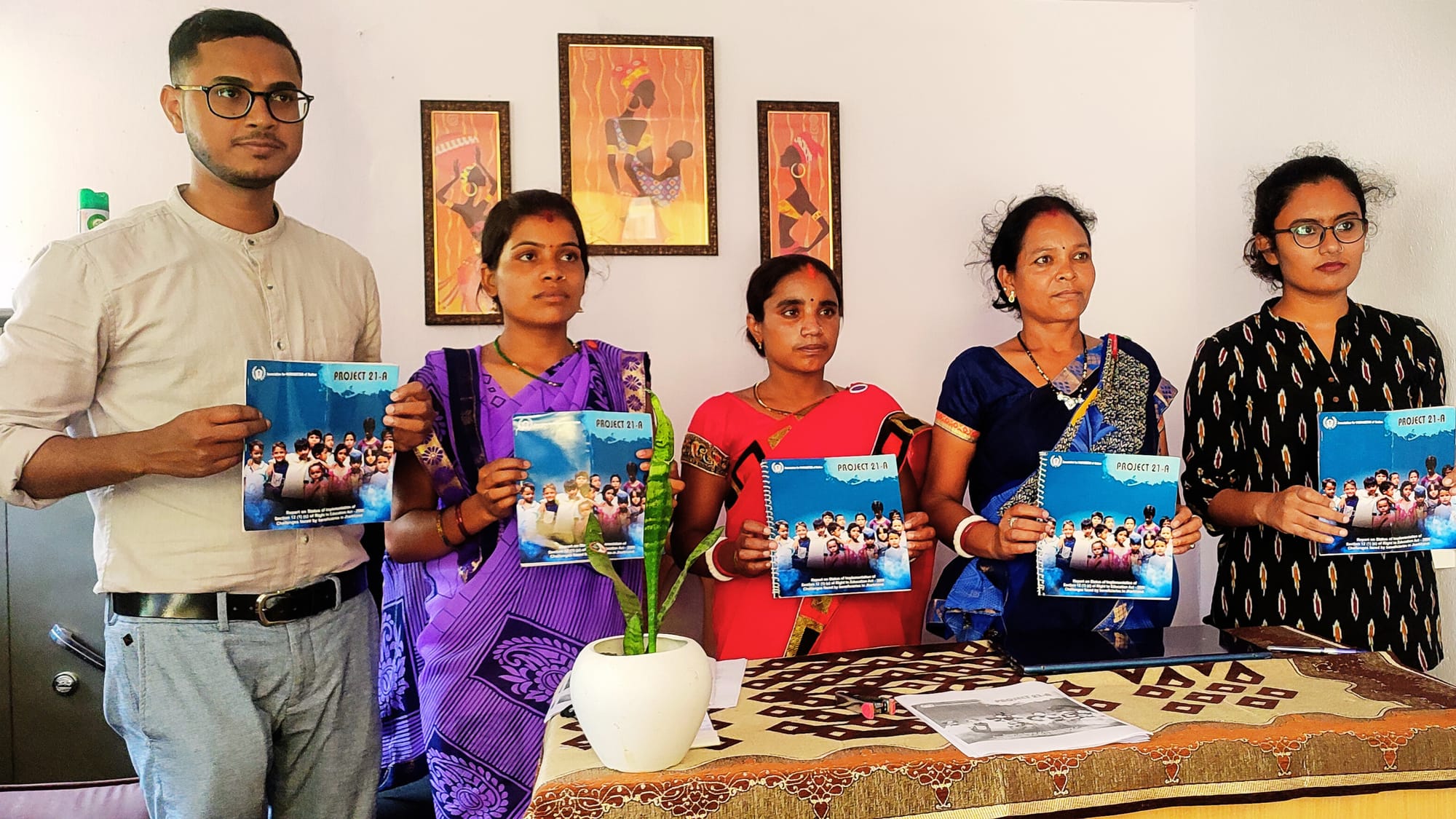
On 23rd September 2021, the Association for Parivartan of Nation (APNA) convened a press conference at Satya Bharti, Purulia Road, Ranchi, to release our report on the implementation of Section 12(1)(c) of the Right to Education (RTE) Act, 2009, in Jharkhand. The gathering was attended by 25 media persons, community leaders, students and researchers, also comprising journalists, members of civil society, and families directly affected by the shortcomings in the Act’s implementation.
As organisers, our intent was to move beyond abstract statistics and bring to light the lived realities of marginalised families who continue to face barriers in accessing their children’s constitutionally guaranteed right to education.
The report, jointly presented by Hasan Al Banna (President, APNA) and Pallavi Pratibha (Researcher), highlighted a series of persistent challenges. These included bureaucratic red tape, widespread lack of awareness amongst eligible families, and the failure of many private schools to comply with their obligations under Section 12(1)(c). The absence of robust monitoring mechanisms and the lack of accountability within implementing agencies were identified as central factors perpetuating these failures.
What gave the event its strongest resonance were the testimonies of parents and relatives of affected children. Their words were both deeply personal and profoundly political, illustrating how administrative neglect translates into lost opportunities, discrimination, and shattered hopes.
In his address, Hasan Al Banna captured the spirit of the occasion:
“Education is not just about literacy, it is about lighting the fire of equality and justice. Our findings expose gaps that must be urgently bridged if the RTE Act is to fulfil its promise.”
The press also engaged meaningfully with the proceedings. One journalist noted:
“The power of this report lies in the voices of those who have lived through these failures. It is not data alone, but lived experiences that demand accountability.”
The press conference concluded with the presentation of concrete recommendations. These included:
Strengthening monitoring and enforcement mechanisms to ensure that private schools meet their obligations.
Launching widespread awareness campaigns so that families from disadvantaged backgrounds are fully informed of their entitlements under the Act.
Establishing transparent and accessible grievance redressal systems to address complaints swiftly and fairly.
For us, as organisers, the event reaffirmed our conviction that education cannot be reduced to policy rhetoric or procedural compliance. It must be realised as a living promise of equality, dignity, and opportunity. This press conference was therefore not only an act of reporting but an act of collective advocacy- a call to the state to recognise, respond, and reform.