Tribal Echoes 2024: Amplifying Marginalised Voices in Education
From 9–12 June 2024, APNA held the 5th Tribal Echoes in honour of Birsa Munda, with 150+ participants. Sessions explored caste in global education, APNA’s podcast launch with Gurumurthy Kasinathan, and challenges faced by Tribal and Dalit students abroad, reinforcing APNA’s commitment to equity.
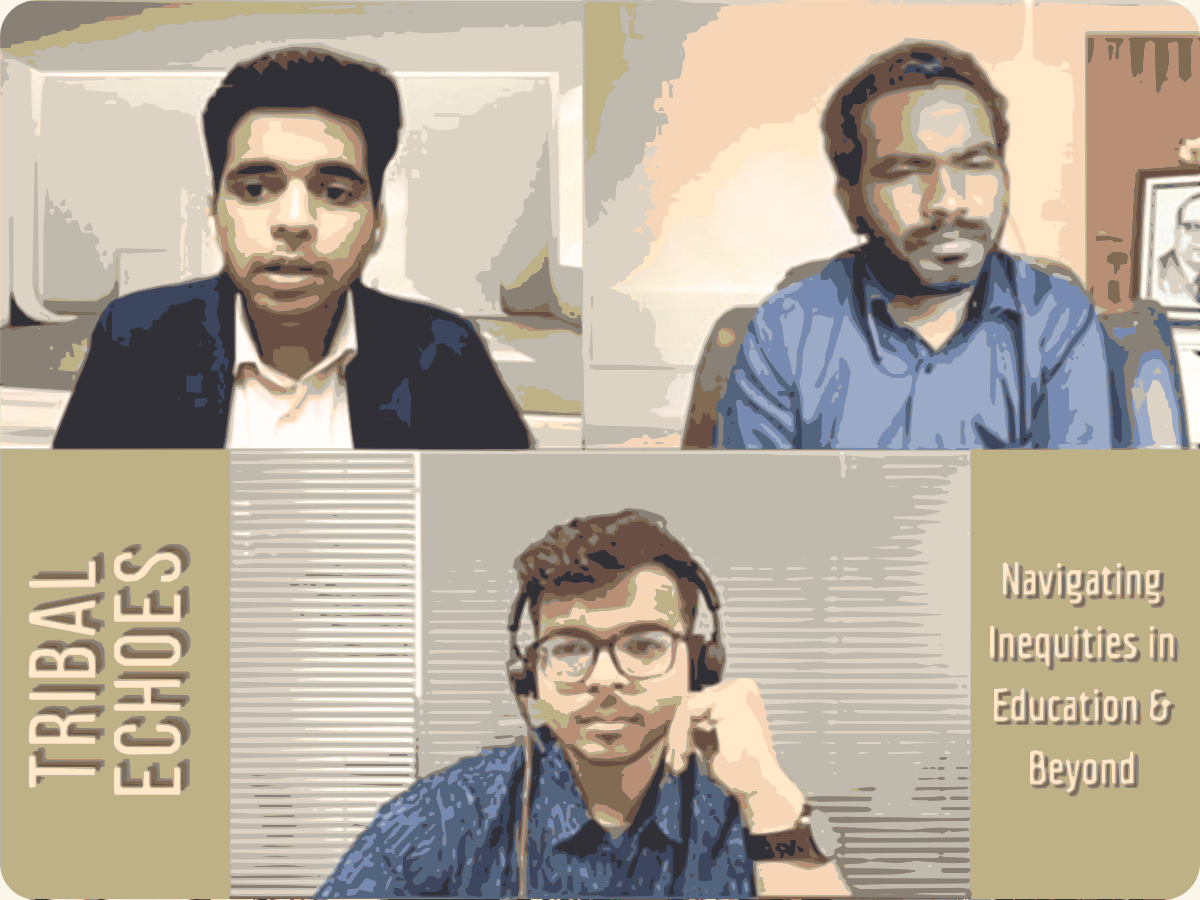
APNA hosted the 5th edition of Tribal Echoes, a three-day event, from 9th to 11th June 2024, dedicated to celebrating the legacy of Birsa Munda and amplifying voices from India’s most marginalised communities. Centred around the theme “Navigating Inequities in Education and Beyond”, this year’s programme explored how systemic exclusion, caste hierarchies, and inequitable access to opportunity continue to shape the educational experiences of Tribal, Dalit, and other marginalised youth, both in India and abroad.
Over 300 participants attended across the three days, including students, educators, social workers, and community representatives. Each session aimed to blend academic reflection with lived experience, fostering intergenerational dialogue on justice, representation, and access.
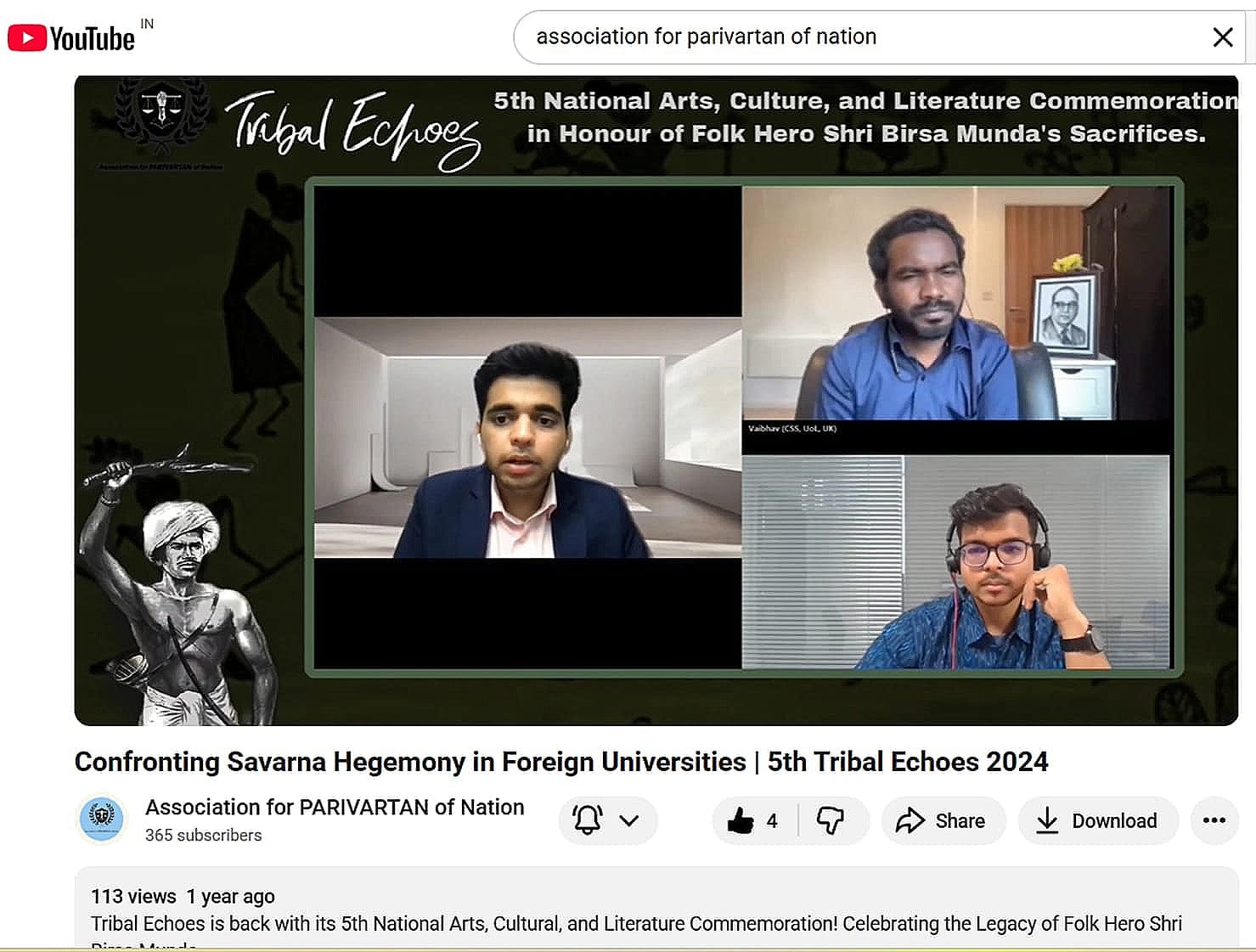
Day 1: Navigating Indian Diaspora Spaces: Confronting Savarna Hegemony in Foreign Universities
The opening session set the tone for a powerful exchange of ideas. Moderated by Talha Hassan, law student, Jamia Millia Islamia, the panel led by Alman, PhD researcher, University of Bristol, UK, and Vaibhav Sonone, Commonwealth Shared Scholar, University of Leeds, UK, examined caste and identity within global academic spaces, particularly focusing on Indian students in the United Kingdom. Speakers shared first-hand experiences of subtle caste discrimination on foreign campuses, where “Savarna solidarity often overshadows national unity.”
“Caste doesn’t stop at the airport, it travels in our minds,” remarked Rahul Kumar, a doctoral student at the University of Leeds. “We need to build support networks that affirm our identity, not erase it.” Discussions revealed how caste hierarchies, though muted abroad, persist through exclusionary social groups and networking circles. Panellists called for safe, inclusive student spaces abroad, where marginalised learners can share experiences, support each other, and challenge institutional bias. Participants also reflected on disparities within Indian higher education. As Vaibhav Sonone noted,
“Private universities may look progressive, but their culture still mirrors caste privilege.”
This session concluded with a call to action to ensure that international education becomes a tool of liberation, not another site of exclusion.
Day 2: Empowering Marginalised Communities through Social Technology
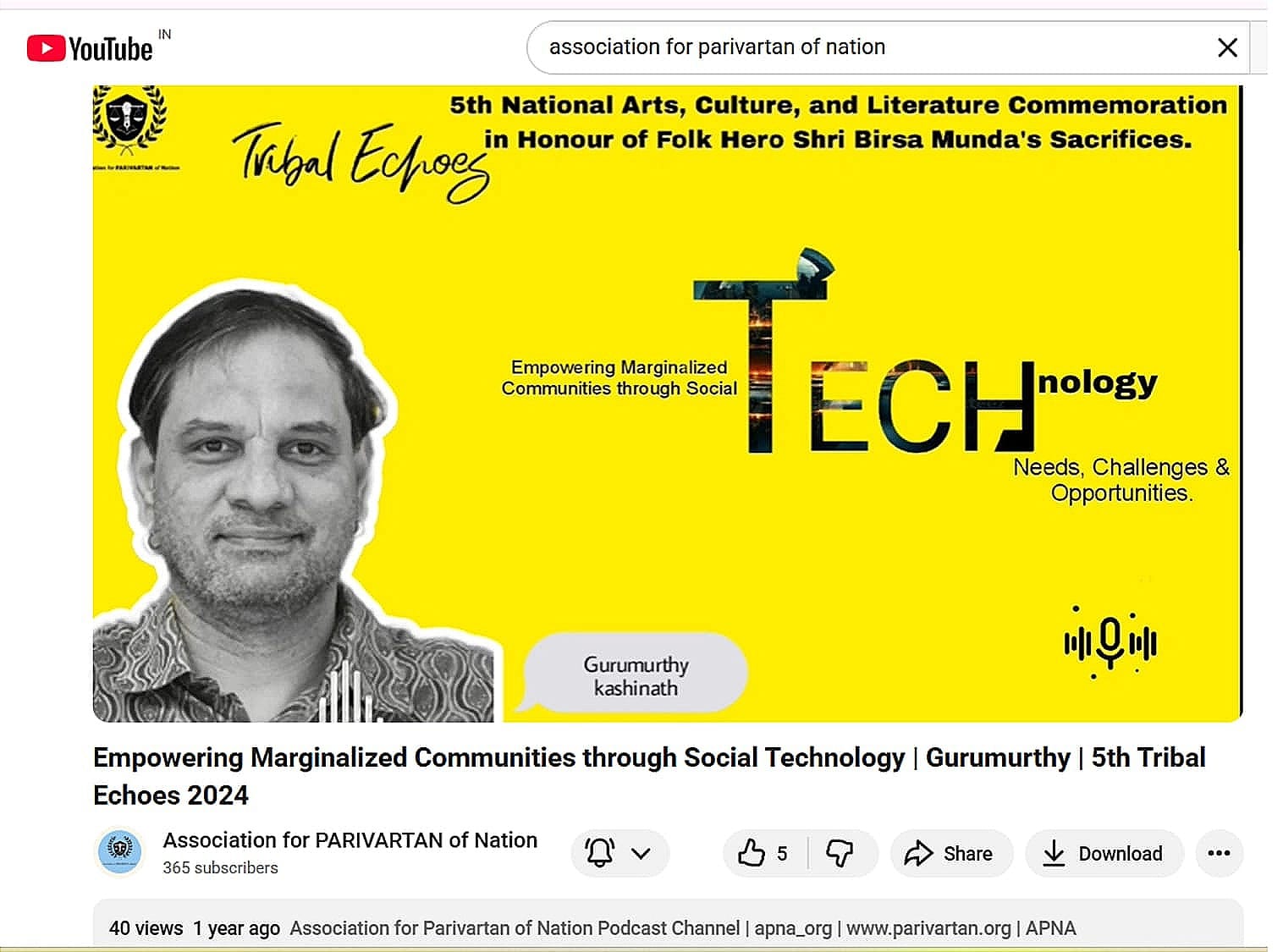
The second day saw the premiere of APNA’s first-ever podcast, featuring Gurumurthy Kasinathan, Director of IT for Change and Co-founder of the National Coalition on the Education Emergency. The conversation, recorded before an audience of 40 attendees, explored how social technology can serve as a bridge to equity and empowerment for historically excluded groups.
Gurumurthy urged a move from “business tech to social tech,” a shift from profit-driven digital solutions to community-owned technological infrastructures. He shared lessons from initiatives like Sakhi, a women-led network in Mysuru, demonstrating how local digital champions can transform access to services, education, and opportunity.
“Technology must empower people, not displace them,” he said. “When women in villages manage digital resources, they become leaders of their own communities.” The discussion also highlighted the digital divide in Jharkhand, where infrastructural gaps and social hierarchies restrict access. Participants emphasised the need for inclusive public investment and policy frameworks rooted in democratic participation rather than corporate control. The podcast, later released on APNA’s YouTube channel, reached over 40 online views, extending the conversation beyond the event itself.
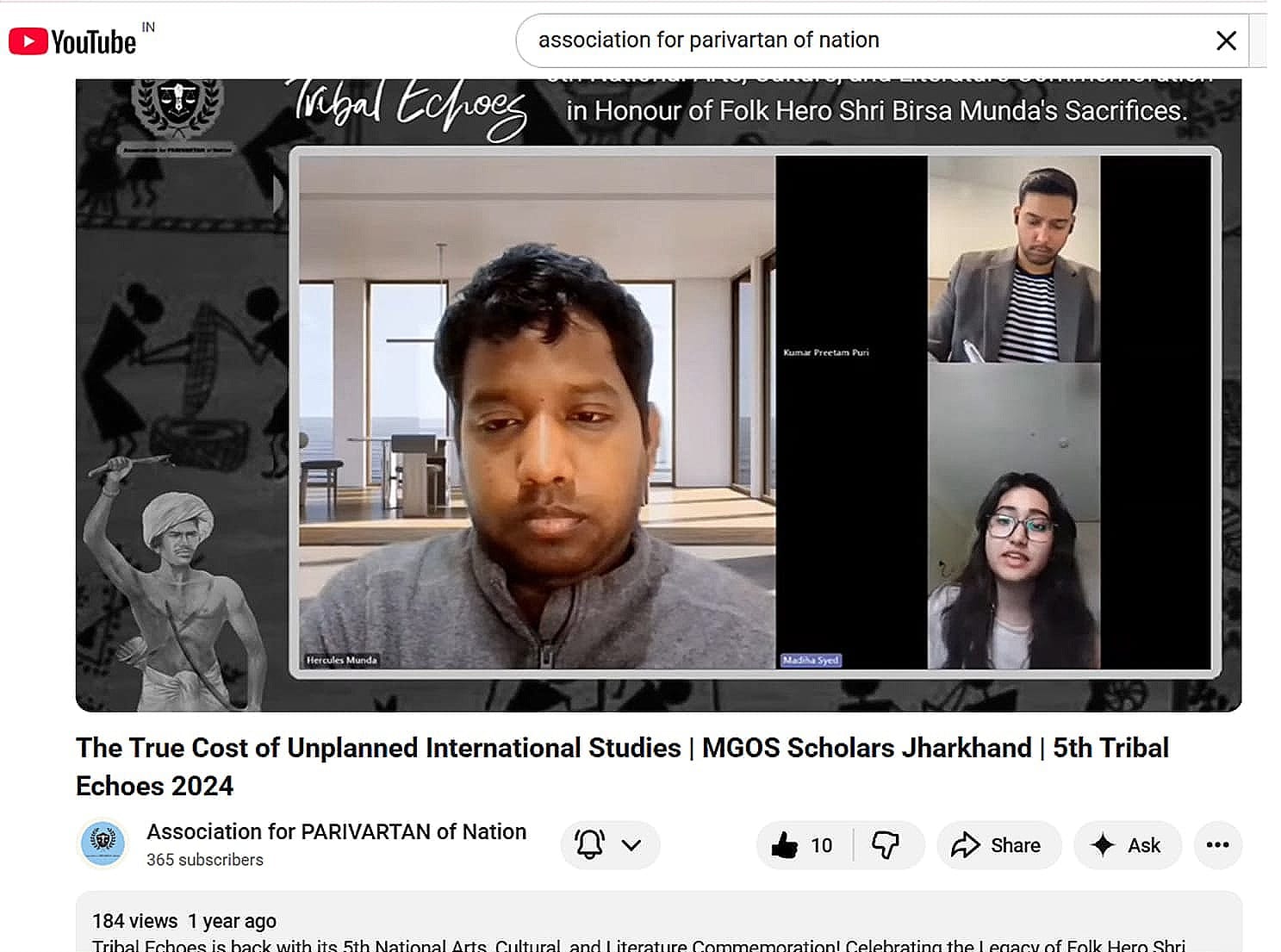
Day 3: Broken Dreams and Empty Wallets- The True Cost of Unplanned International Studies
The closing day addressed the economic and emotional realities of pursuing education abroad. Titled “Broken Dreams and Empty Wallets,” the session brought together scholars from leading UK universities who shared candid reflections on the financial, cultural, and psychological challenges faced by students from Tribal and Dalit backgrounds. The session was moderated by Syed Madiha, a Law student, Jamia Millia Islamia, Delhi.
Panellists, Hercules Munda, Felix, MGOs Scholar, Candidate at University of Edinburgh, Scotland and Kumar Pritam Puri, MGOs Scholar and Candidate at SOAS, University of London, England, discussed how limited guidance, inadequate preparation, and misleading consultancies leave many students burdened by debt and disillusionment. Yet, amidst these challenges, they highlighted the resilience and transformative potential of international exposure when supported by robust policy and mentorship.
“We don’t just need scholarships; we need systems of care,” said Hercules Munda. “Studying abroad should not come at the cost of mental health or financial ruin.”
Participants engaged in an open dialogue on improving government scholarship programmes, peer networks, and pre-departure counselling for first-generation international students. The session, streamed live and now available on YouTube, has been sparking conversations across student and advocacy circles.
Reflections and Outcomes
The 5th edition of Tribal Echoes reaffirmed APNA’s belief that education must be viewed through the lens of equity, justice, and identity. By convening voices from across disciplines and borders, the event succeeded in deepening awareness about systemic barriers while nurturing solidarity among young leaders and changemakers. As Sapna, Programme Coordinator at APNA, reflected:
“Tribal Echoes isn’t just an event; it’s a movement that insists on visibility, dignity, and justice for every learner who has ever been told they don’t belong.”