Right to Education Conclave
The Right to Education Conclave at GNLU brought together 350+ stakeholders. APNA’s session led by Hasan Al Banna and Masoom Raza highlighted ground realities from Jharkhand, including Laxmi Devi’s child denied admission. The conclave reaffirmed APNA’s mission to ensure education access.
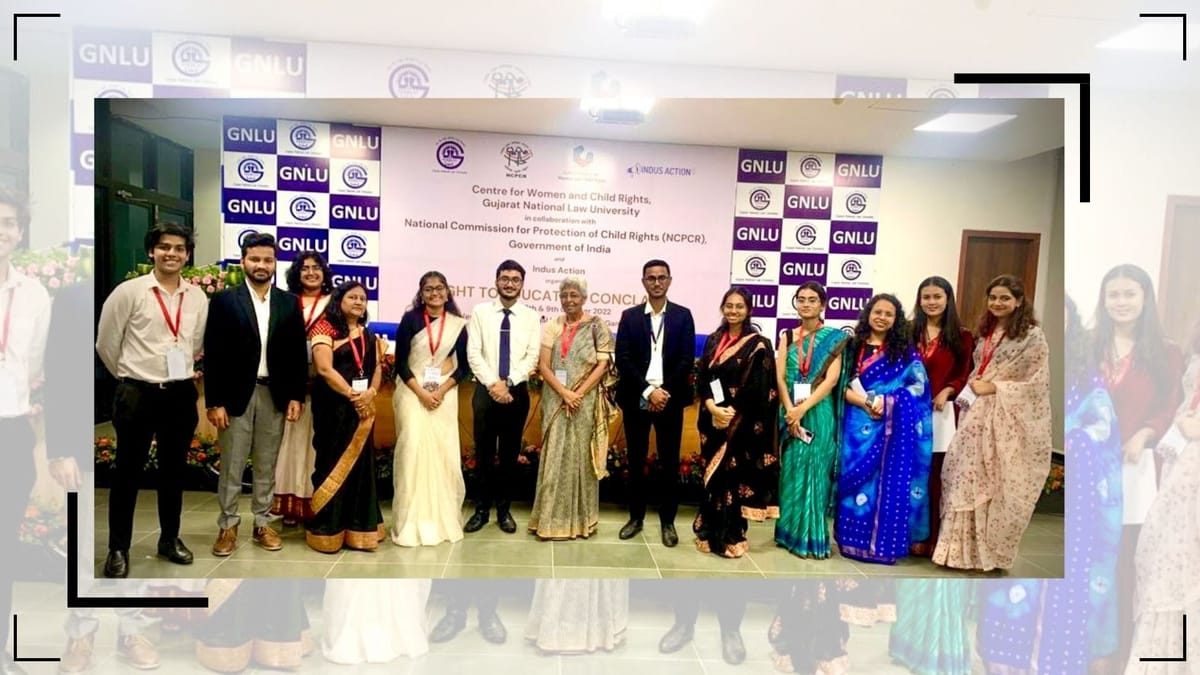
On 8 and 9 October 2022, Association for Parivartan of Nation had the privilege of participating in the Right to Education Conclave hosted by the Centre for Women and Child Rights at Gujarat National Law University (GNLU). Held in Gandhinagar by The National Commission for Protection of Child Rights (NCPCR), Government of India, and Indus Action, the event brought together over 350 participants: policy experts, educators, child rights activists, students, and community leaders united by a single goal- making the Right to Education a lived reality for every child in India.
Representing APNA were Hasan Al Banna (President) and Masoom Raza, who delivered a powerful session highlighting field stories from Project 21A- a grassroots initiative working to secure education for children in Jharkhand’s most marginalised and conflict-affected regions.
Amid presentations packed with policy recommendations and legal frameworks, APNA’s session stood out for its deeply human lens. Masoom Raza shared the story of Laxmi Devi, a single mother from Ranchi district, Jharkhand. Despite her child’s eligibility under Section 12(1)(c) of the Right to Education Act, which mandates 25% reservation in private schools for disadvantaged children, she was repeatedly turned away due to lack of documents and bureaucratic delays.
“All she wanted was a chance for her son to study in a decent school. Instead, she was met with silence, forms in triplicate, and a system too far removed from her reality,” Masoom recounted during the session.
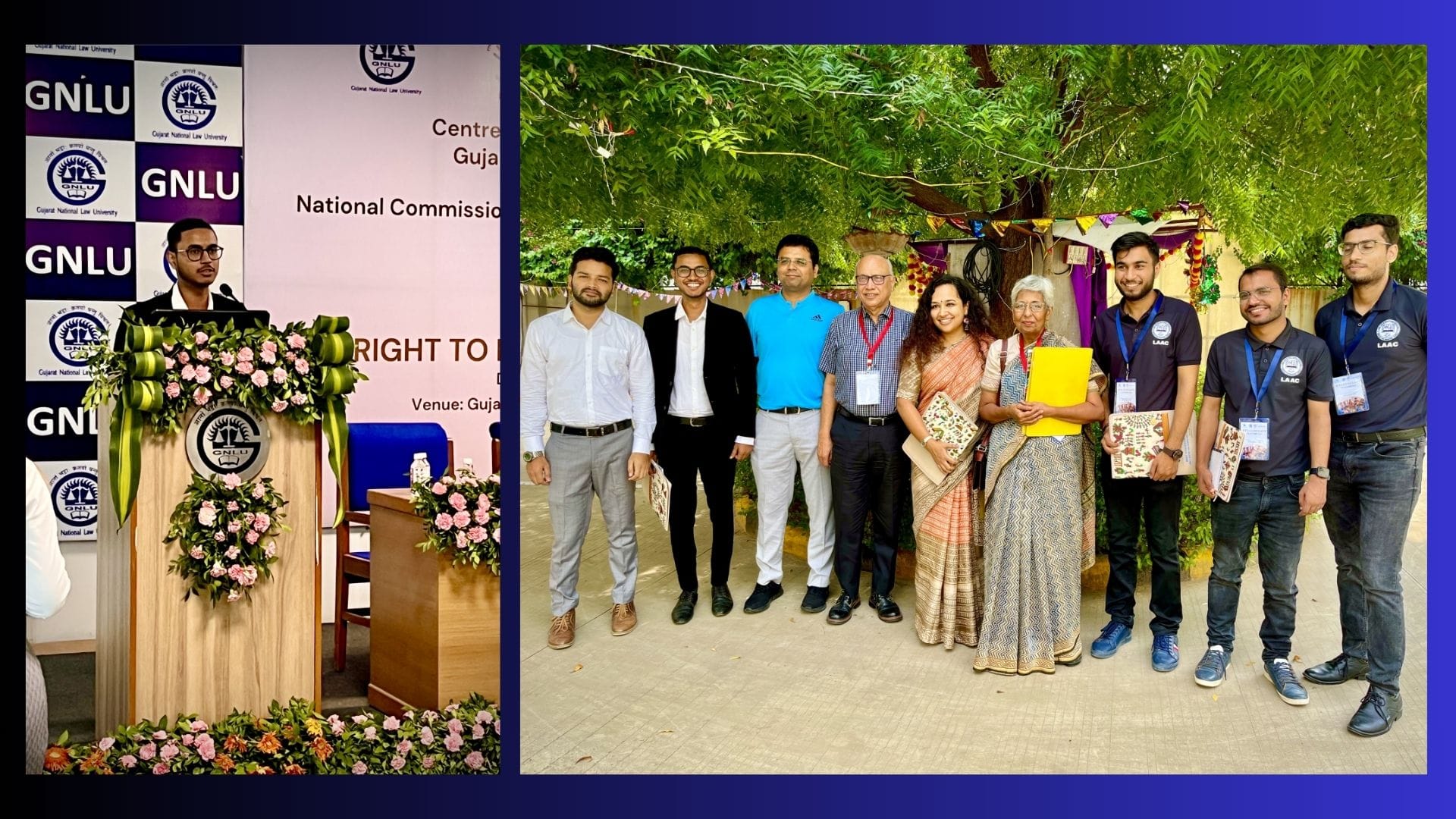
The conclave served as more than just a platform for discussion; it became a catalyst for action. Several tangible outcomes emerged from APNA’s participation such as partnership strengthening, policy engagements, field-informed policy recommendations, simplifying application processes, training school management committees on RTE mandates, etc. APNA formalised deeper collaborative ties with Indus Action and other advocacy organisations, focusing on joint interventions to improve RTE implementation. Invitations were extended to APNA to participate in forthcoming state and national-level policy dialogues on RTE reforms, specifically on streamlining Section 12(1)(c) processes.
The conclave drew diverse perspectives from across the country. Voices from the ground, particularly those working in rural and tribal belts, shaped much of the discourse. “We often hear about the law, but not the lived experiences. APNA brought those voices into the room,” said Dr. Asha Verma, Faculty Coordinator, Centre for Women and Child Rights, GNLU.
As the conclave came to a close, Hasan Al Banna delivered a poignant message,
“Education isn't just about access; it's about dignity, equality, and a future where every child feels they belong.”
His words echoed across the auditorium- a reminder that the fight for education equity is far from over, but that each voice, each story, and each partnership brings us one step closer. The Right to Education Conclave was more than an academic gathering. It was a space of solidarity, strategy, and shared purpose. For APNA, it reinforced the value of bringing field experiences into policy spaces and affirmed our commitment to making education truly inclusive. We return from Gandhinagar not just with new partners, but with renewed resolve- to make sure that no Laxmi Devi is ever turned away again.