Civil Society Meet
The Civil Society Meet in RNC brought together education focused organisations to assess policy implementation. APNA President Hasan stressed grassroot, community-led reform. It noted poor infrastructure, delay, resolved for collaboration, advocacy, leadership and child-centric, inclusive education.
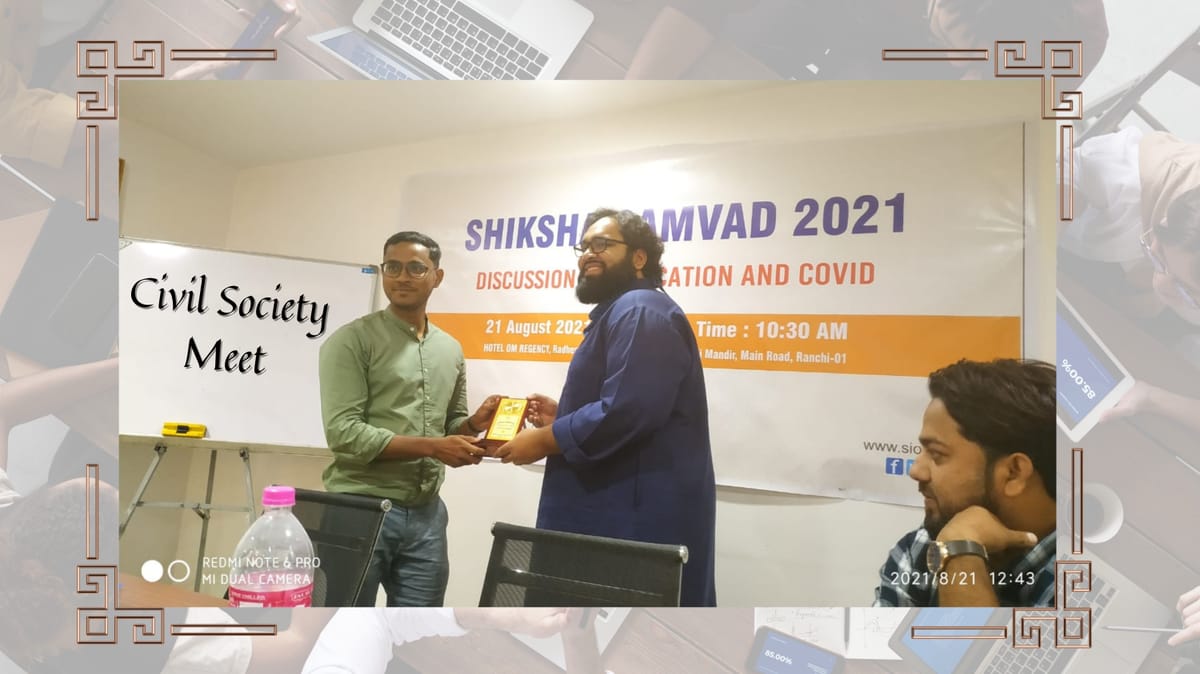
The Civil Society Meet held on 21st August 2021 at Hotel Om Regency, Ranchi, was a significant step toward building a collaborative and community-rooted approach to education reform in Jharkhand. Organised as a forum for dialogue and strategy-building, the meeting brought together a diverse assembly of NGOs, grassroots organisations, education advocates, and policy practitioners from across the state. The aim was not merely to review policies on paper, but to critically assess how these policies are (or aren’t) translating into practice, especially in the most underserved regions.
Representing the Association for Parivartan of Nation (APNA), President Mr Hasan Al Banna offered a grounded and urgent perspective shaped by APNA’s ongoing work in rural education. His address focused on a core theme: bridging the growing gap between policy intent and on-ground impact.
Mr Banna highlighted that while national frameworks like the Right to Education Act and the National Education Policy 2020 have created important pathways, real transformation cannot be policy-driven alone. It must be community-led, built from the ground up by engaging parents, teachers, students, local leaders, and civil society actors who understand the nuanced challenges of their contexts.
He pointed to persistent systemic barriers that hinder the effective implementation of education policies:
Lack of infrastructure: Many rural schools still lack basic amenities such as functional toilets, adequate classrooms, libraries, and access to digital resources.
Bureaucratic inertia: Slow and non-transparent administrative processes delay crucial interventions like teacher appointments, fund disbursals, and infrastructure upgrades.
Socio-cultural resistance: Deep-rooted biases, such as gender discrimination, caste-based exclusion, and resistance to modern curriculum or language of instruction, continue to marginalise vulnerable groups.
Mr Banna’s address called for a shift from top-down policy implementation to bottom-up reform, where communities are empowered to demand accountability and shape solutions that respond to their specific realities. He urged fellow organisations to work not in silos, but in coalitions that amplify impact and foster systemic change.
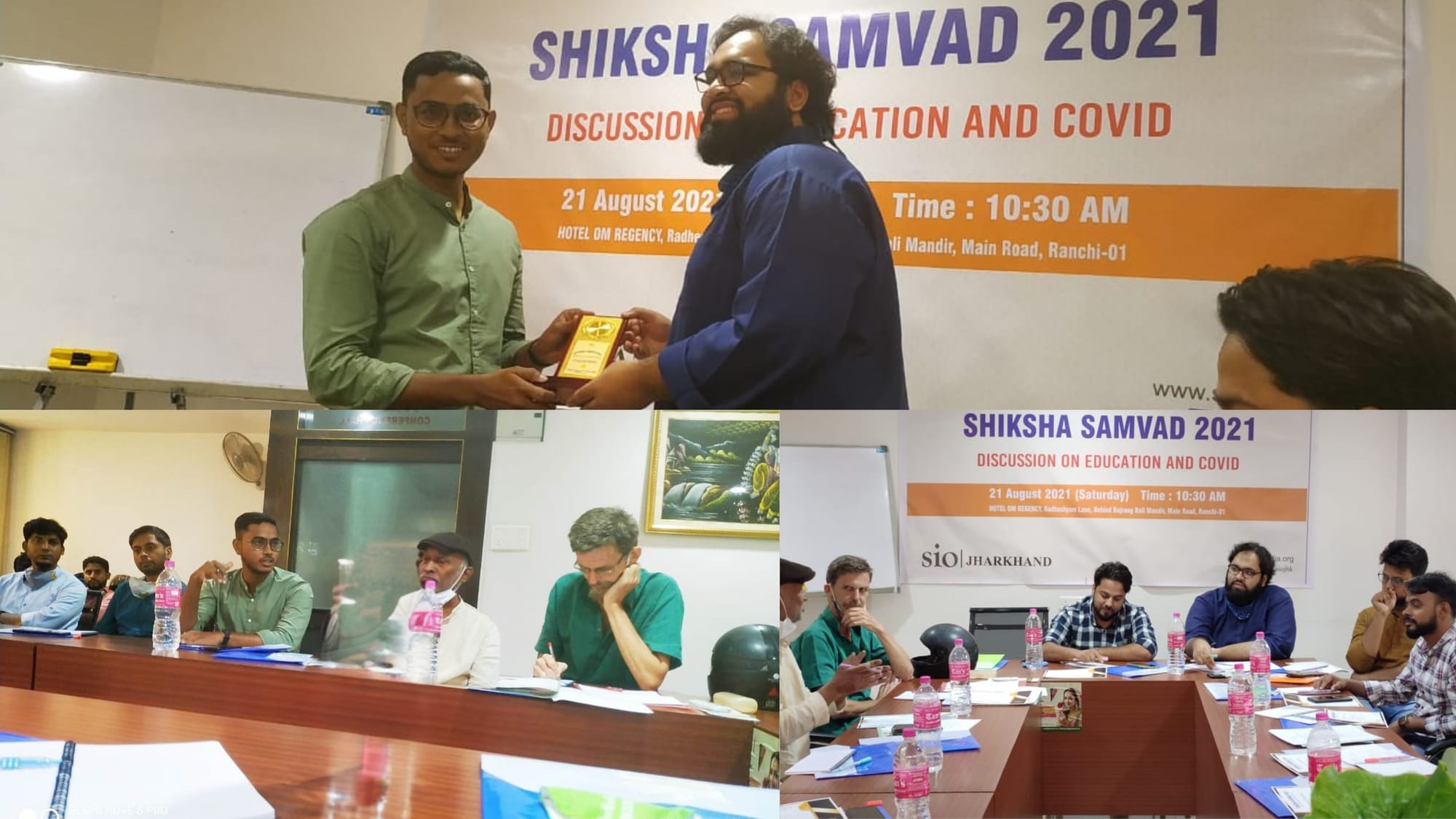
Throughout the day, panel discussions and breakout sessions facilitated knowledge exchange and strategic planning. Organisations shared best practices, from community schooling models and mobile learning vans, to school management committee strengthening and legal aid for RTE implementation. Participants identified common bottlenecks and brainstormed collaborative approaches to overcome them.
For APNA, the Civil Society Meet reaffirmed the importance of working in solidarity with others, while staying rooted in the community. It was a reminder that lasting change in education will not come from a single actor or initiative. It requires sustained, collective effort from all corners of civil society, aligned by a shared vision: that no child, regardless of geography, gender, caste, or class, should be denied the opportunity to learn, grow, and thrive.