Civil Society Engagements on Education
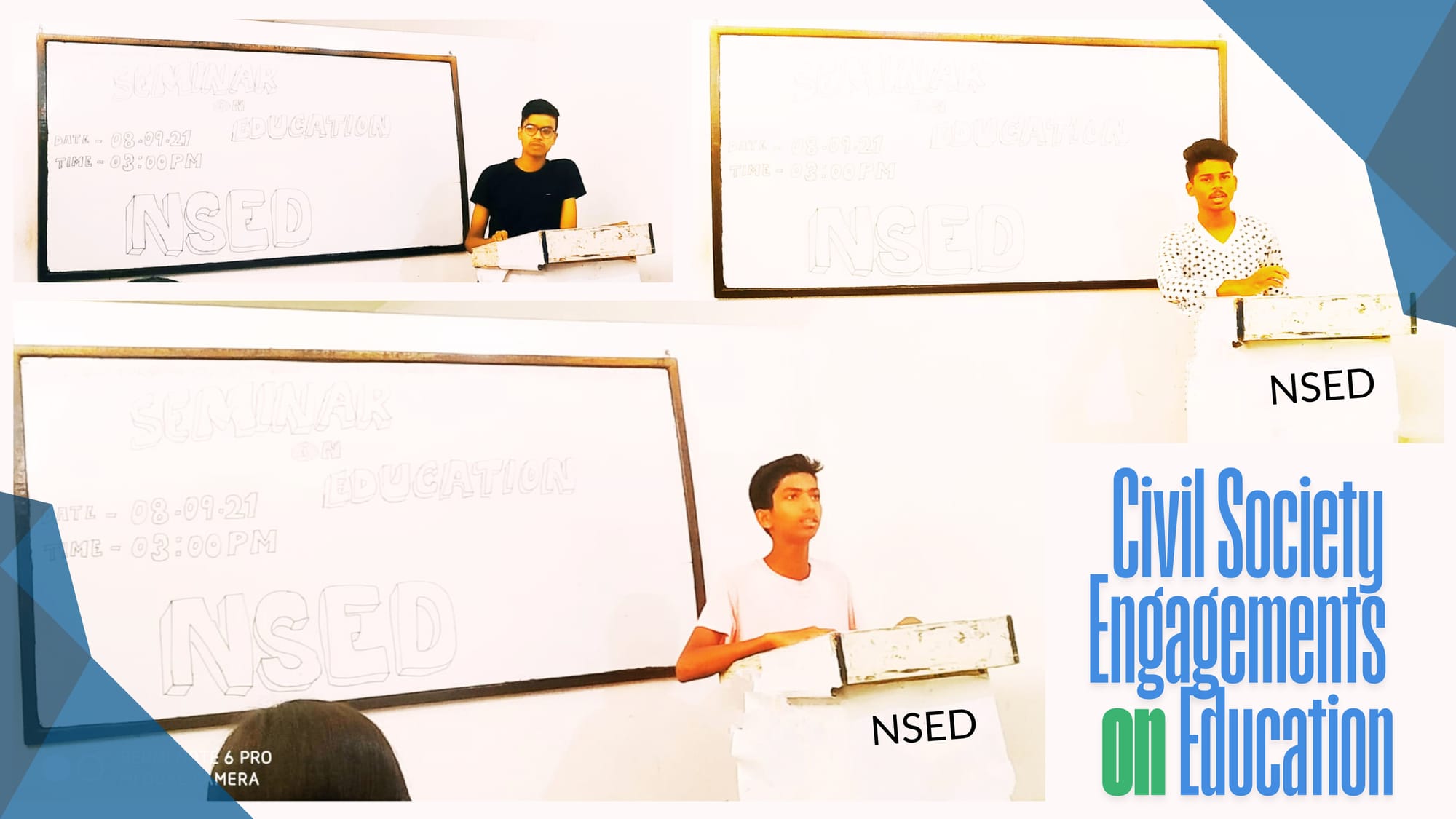
On 8th September 2021, APNA organised a speech competition at Noble School, Hazaribagh for International Literacy Day, engaging 55 students on education access, dropout rates, gender disparity, infrastructure gaps, and a student’s emotional account showing the policy–rural disconnect.
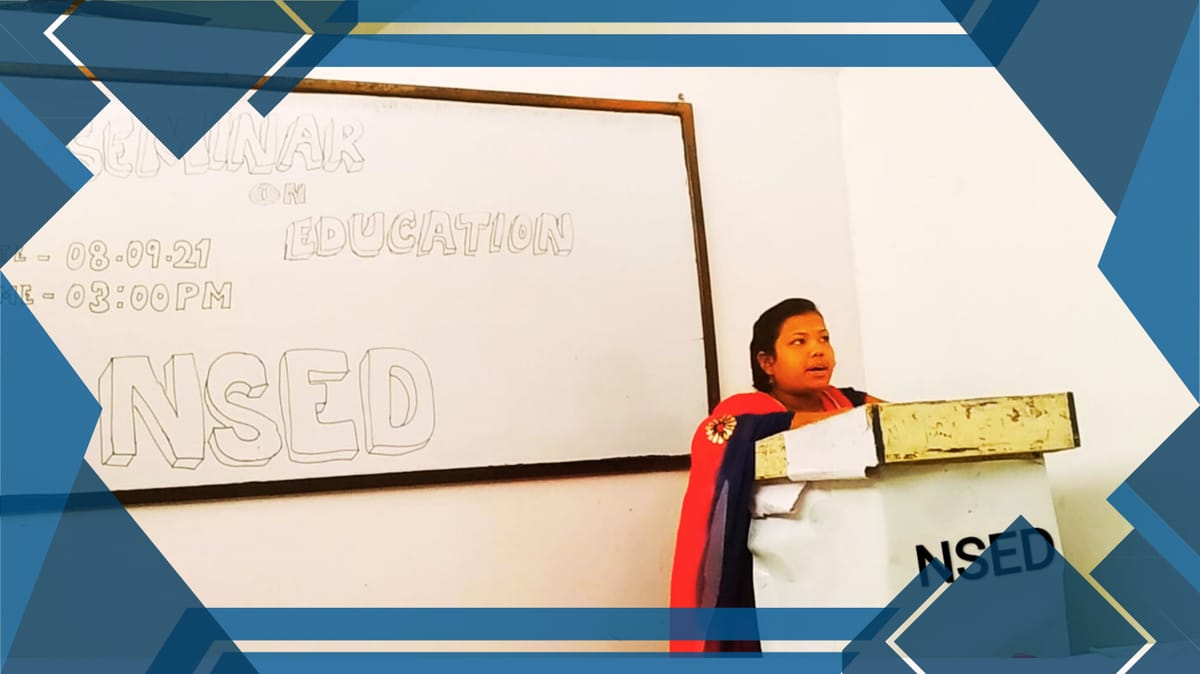
On 8th September 2021, APNA took table discussions into action by organising a speech competition on the Right to Education at Noble School for Education and Development in Hazaribagh, coinciding with International Literacy Day. This event wasn’t just a contest; it was a platform to nurture student voice, raise awareness, and build youth confidence in advocating for their own rights.
We were deeply moved by the energy and honesty of the 55 students who participated, many of whom were addressing a public audience for the first time. Their speeches tackled real, pressing issues such as accessibility gaps in remote schools; high dropout rates among adolescents, especially girls; cultural and logistical barriers to education (like lack of transport and early marriage) and the urgent need to invest in government school infrastructure.
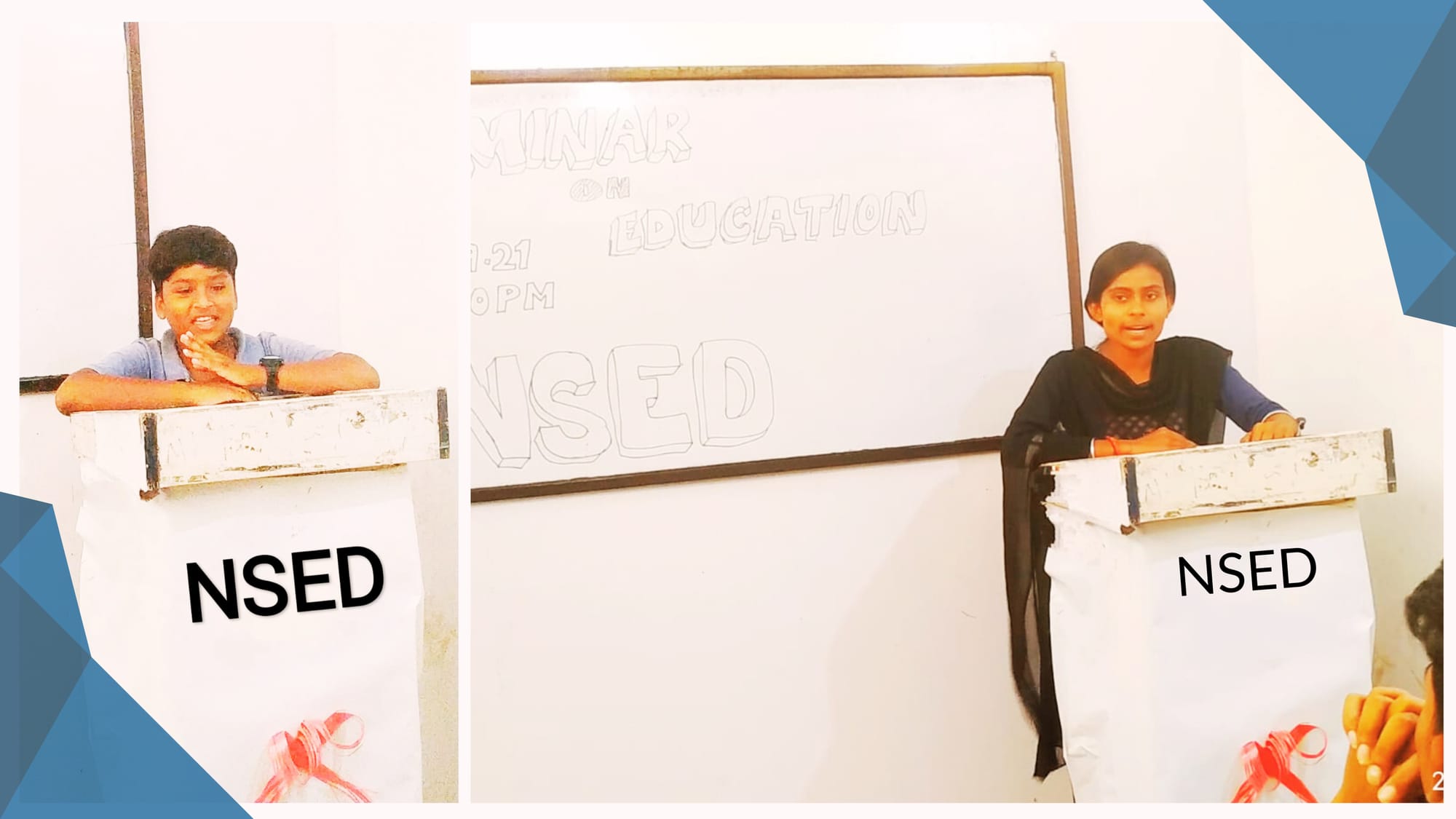
One participant, Prince Kumar, a 15-year-old from Katkamdag block, spoke emotionally about his sister being forced to leave school due to a lack of transport.
“People talk about the Right to Education,” he said, “but what’s the point if it's only available in cities?”
These voices reminded us, as organisers, that students are not passive beneficiaries of the system- they are its most important stakeholders. Through this competition, we saw young people beginning to see themselves not just as recipients of education but as advocates for equity and change.
As APNA, we believe that meaningful reform doesn’t happen only in policy circles or government offices. It happens in classrooms, schoolyards, and community meetings, where real people live the consequences of our education system every day. Both the Civil Society Meet and the speech competition reaffirmed our belief that policy must meet people where they are and that change must be driven not just from above, but from within the communities themselves. these events also underscored the importance of sustained engagement between civil society, government, and youth. Looking forward, we remain committed to creating more such spaces for dialogue, leadership, and action, ensuring that the Right to Education becomes a lived reality, not just a legal guarantee.