
APNA at Dhwani Niranthara Saksham program
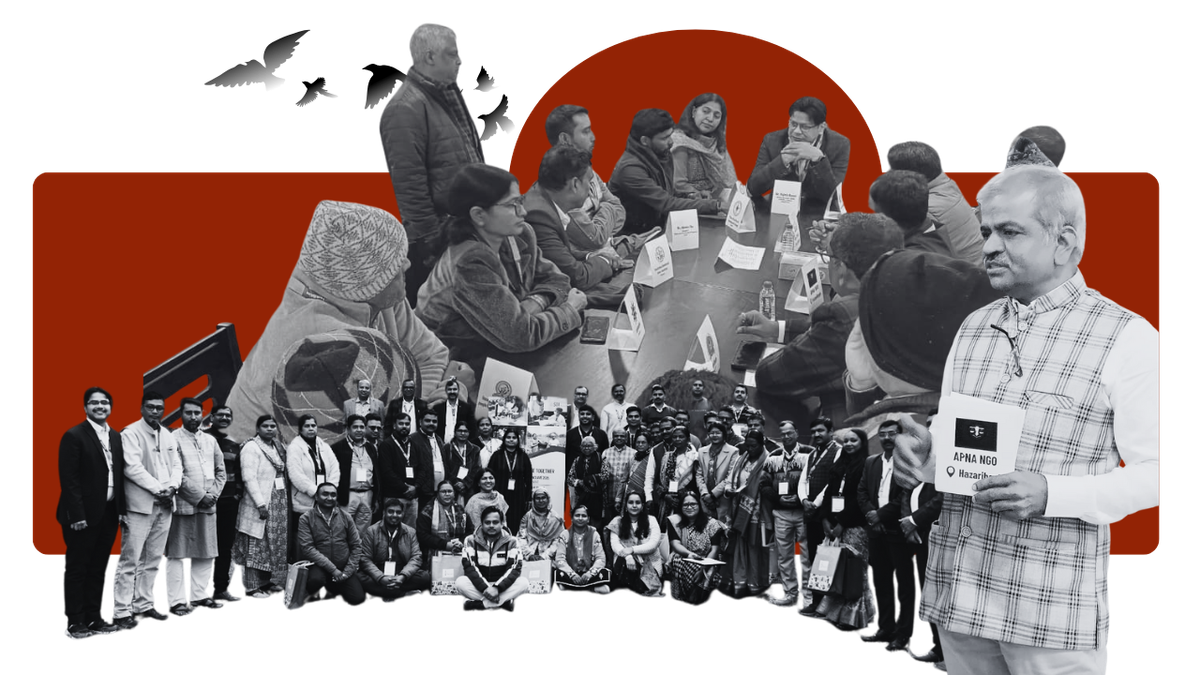
APNA participated in the Saksham Programme organised by Dhwani Foundation, an Organisation Change Management (OCM) initiative designed to strengthen small and grassroots organisations across India. The programme was held on 18 December 2025 at the State Institute of Rural Development (SIRD), Ranchi, and marked both the launch of a new Saksham cohort and the graduation of the Niranthara Classic batch.
Dhwani Foundation works closely with NGOs, foundations, government bodies, and sector institutions to address long-standing gaps in organisational capacity, governance, compliance, and sustainability. APNA was selected as one of 31 partner organisations for the Saksham programme, a structured 13-month engagement focused on building resilient internal systems.
The event brought together NGO leaders, funders, practitioners, and institutional stakeholders. A central feature of the day was the presentation of organisational profiles by participating NGOs, including details such as team size, number of projects, and annual budgets. These were displayed visually in the hall, creating a transparent space for dialogue with funders and peers. The top-performing organisations from the Niranthara Classic cohort were also recognised.
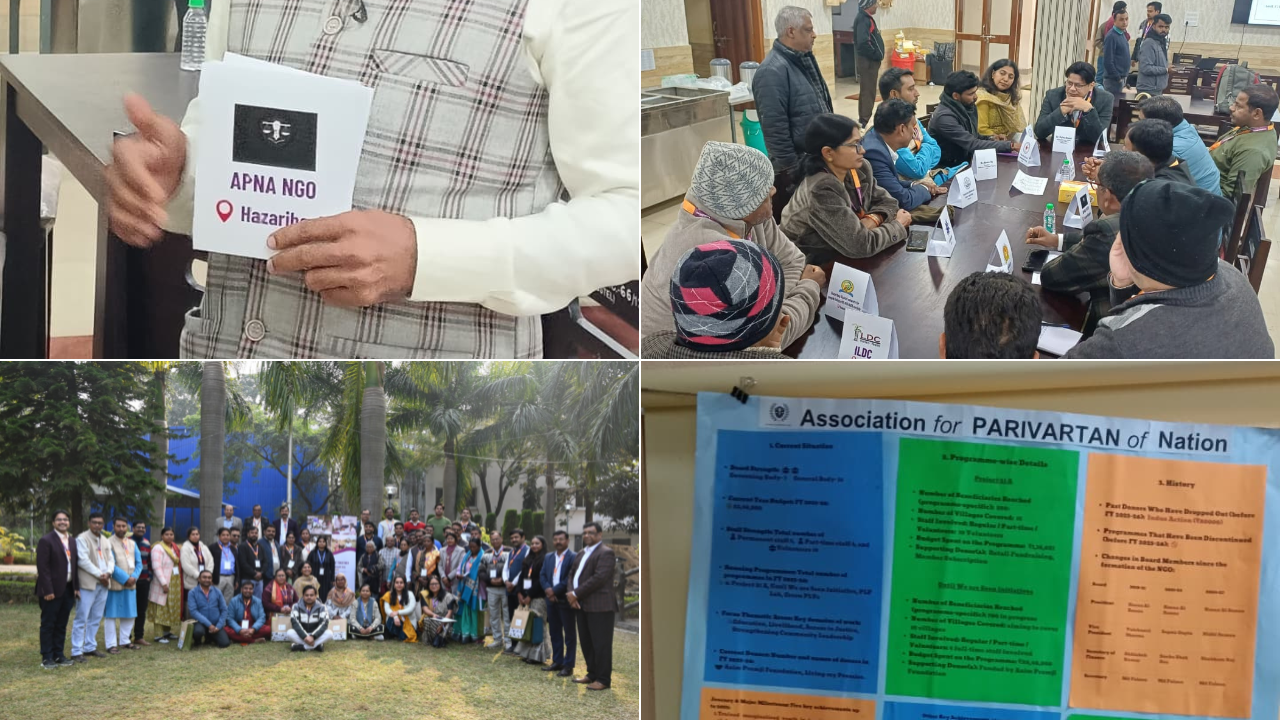
The programme was led by K. N. Gopinath, Executive Director of Dhwani Foundation, with sessions facilitated by representatives from the Azim Premji Foundation, Ford Foundation, NABARD, and Room to Read. Discussions ranged from governance and second-line leadership to collaboration between large and small organisations. A dedicated session with funders allowed NGOs to engage directly in structured, table-based conversations, simulating real fundraising and partnership scenarios.
An important session was conducted by officials from the Income Tax Department, who explained compliance requirements, recent changes in forms, and distinctions based on factors such as FCRA registration. A letter from the Chief Guest, Shrimati Rakhi Nishthav Rao, was read out, emphasising the need for transparency, documentation, and accountability within the sector.
The Saksham programme requires partner NGOs to participate in trainings across states over its duration, reinforcing long-term engagement rather than one-time capacity building. For APNA, the programme offered clarity on how organisational challenges across finance, management, governance, and documentation can be addressed through structured systems and sustained support.
The day reinforced a shared understanding that strong institutions are essential for credible, rights-based work, and that transparency is not an administrative burden but a foundation for trust and impact.