A Baithak for Our Children: Listening, Healing, and Acting Together
On Teacher’s Day 5th September 2021, APNA and Safai Karamchari Andolan held a Post-Lockdown Baithak in Tetri Toli, Namkum with 45-50 participants. The dialogue on pandemic impact, marginalised learning, gender discrimination, and reopening of schools ended with a resolution for equitable education.
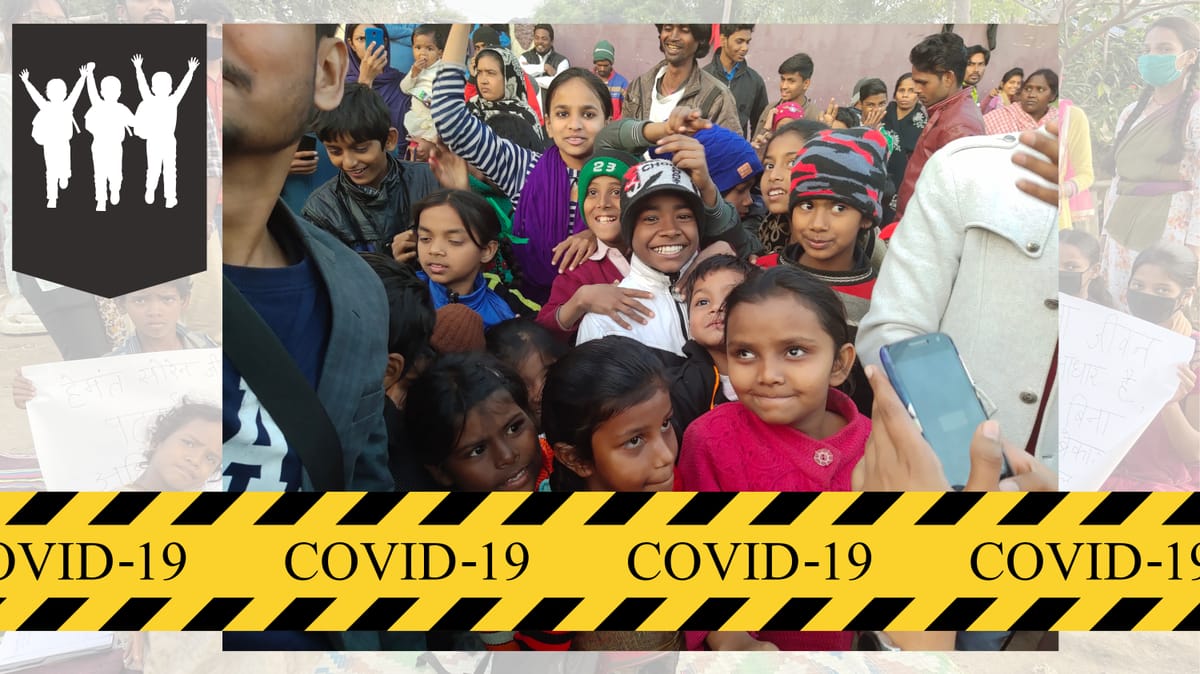
On the occasion of Teacher’s Day, 5th September 2021, the Association for Parivartan of Nation (APNA), in collaboration with Safai Karamchari Andolan, convened a Post-Lockdown Baithak in Tetri Toli, Namkum, under the theme “The Status of Education in Lockdown”. The meeting drew together more than 45-50 participants, including parents, teachers, students, and community leaders, making it a truly representative forum of voices from the grassroots.
As organisers, our foremost objective was to create a safe and open space in which communities could reflect upon the challenges they had endured during the pandemic, while also charting pathways towards recovery and renewal in the field of education.
The dialogue brought into sharp relief the devastating impact of the COVID-19 crisis on children’s learning, particularly among marginalised groups. Parents spoke candidly about their inability to provide adequate support for their children’s online classes due to the lack of digital devices, unstable internet connectivity, and the financial hardships brought about by the lockdown. Teachers described the frustration of being unable to sustain meaningful engagement with their pupils through remote means. Students themselves testified to the sense of loss, disconnection, and stagnation they felt over many months of disrupted schooling.
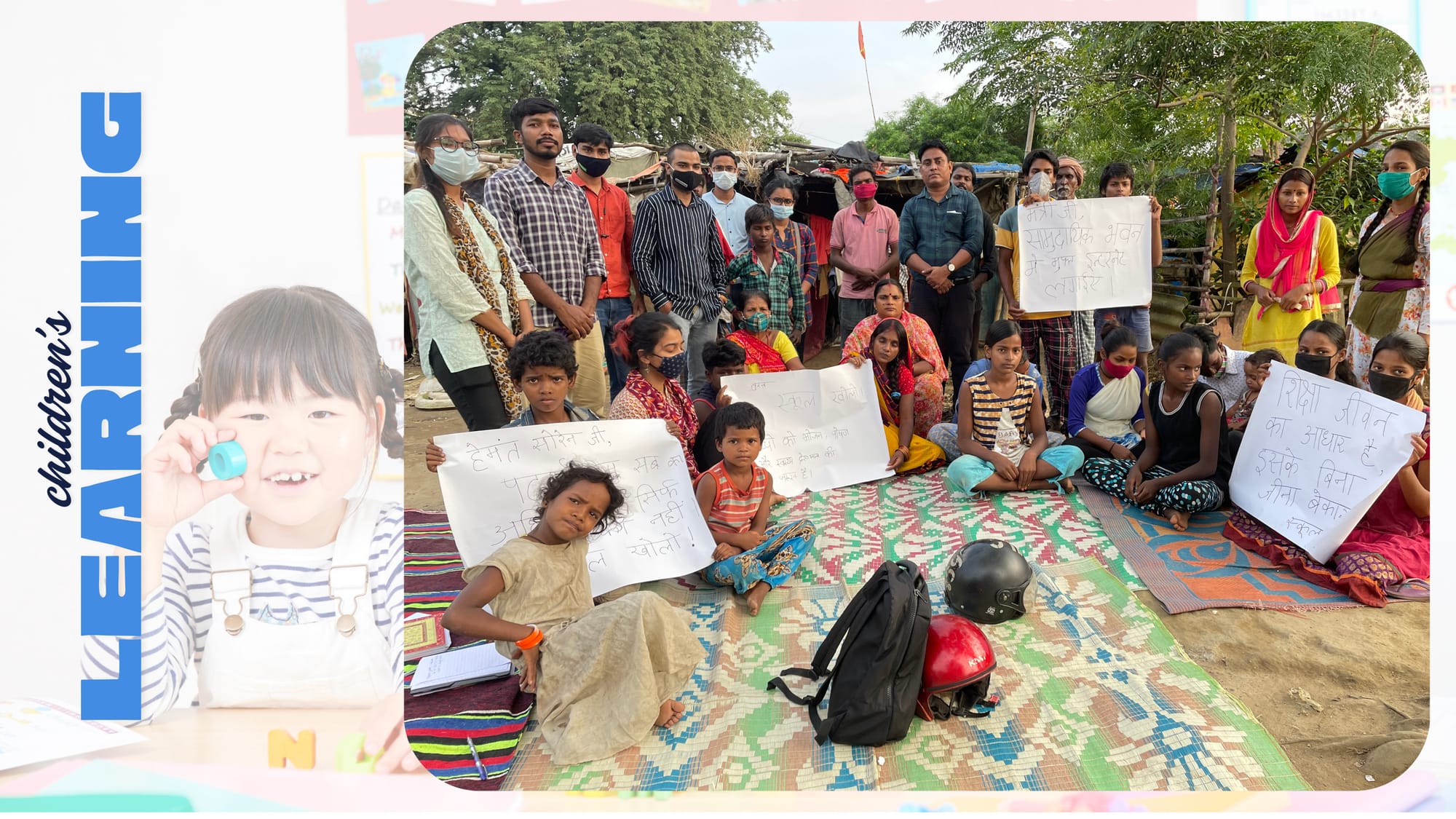
A particularly concerning issue raised during the discussions was the gendered dimension of digital access. Several participants acknowledged that, in households with limited resources, priority was often given to boys when allocating mobile phones or laptops for online learning. This practice left girls disproportionately excluded from educational opportunities, reinforcing existing patterns of gender discrimination. Such accounts underscored the need to approach educational recovery with an explicitly equity-driven lens, ensuring that no child is left behind on account of gender, poverty, or social marginalisation.
Safai Karamchari Andolan’s state coordinator, Shri Dharamdas Valmiki, articulated the collective sentiment with clarity and urgency:
“For our children, every lost day of school is a lost chance at dignity. We must ensure education resumes in full force with safely and inclusively.”
The Baithak concluded with a collective resolution. Participants pledged to continue mobilising within their communities while pressing policymakers and educational institutions for urgent, responsible action to reopen schools. The emphasis was placed not simply on reopening in a procedural sense, but on doing so in a way that guarantees safety, inclusivity, and accessibility for all children, regardless of background.
For us, as organisers, this gathering reaffirmed a vital truth: that education is not merely about academic instruction, but about restoring hope, dignity, and opportunity in the lives of young people. The dialogue was therefore not only a forum of concern, but also of determination and solidarity- a reminder that the future of education must be built collectively, with the voices of the most affected at its heart.